Floral waste recycling Greenwich eco practices and reuse
Posted on 27/10/2026
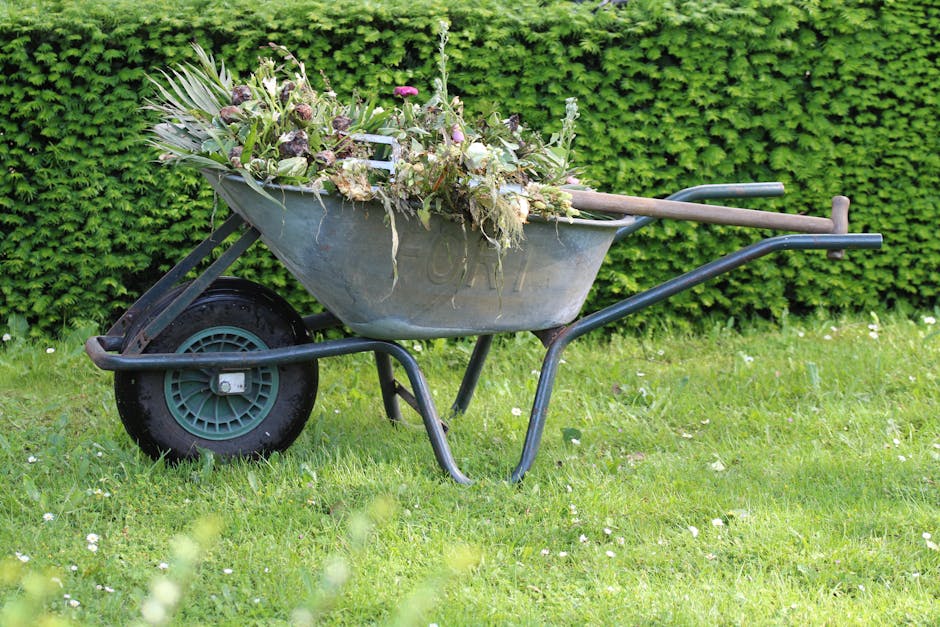
If you work with flowers in Greenwich, you already know how quickly a beautiful arrangement can turn into a pile of stems, leaves, wraps, water-soaked foam, and tired blooms. That shift happens fast. One minute the shop smells like fresh roses; the next, you're looking at waste that still has value if it's handled properly. Floral waste recycling Greenwich eco practices and reuse is really about seeing that material differently: not as rubbish to be binned, but as a resource to be sorted, reused, composted, or reduced in the first place.
That matters for independent florists, event teams, offices, wedding planners, and anyone sending flowers around SE10. It also matters if you care about cost, cleanliness, and doing things in a more responsible way without making the workflow clunky. In practice, greener floral waste handling is usually less dramatic than people expect. It's a series of small habits, a few smart decisions, and a bit of consistency. Nothing glamorous, but very effective. And yes, it can save headaches.
Below, you'll find a practical guide to how floral waste recycling works, what can be reused, what should not be mixed in, and how to build a simple eco practice that actually fits day-to-day life in Greenwich. We'll also cover compliance, common mistakes, and a realistic example from a local setting.
Table of Contents
- Why floral waste recycling matters in Greenwich
- How floral waste recycling and reuse works
- Key benefits and practical advantages
- Who this is for and when it makes sense
- Step-by-step guidance
- Expert tips for better results
- Common mistakes to avoid
- Tools, resources and recommendations
- Law, compliance, standards, and best practice
- Options, methods, and comparison table
- Case study or real-world example
- Practical checklist
- Conclusion
- Frequently asked questions
Why floral waste recycling Greenwich eco practices and reuse Matters
Floristry creates a very specific kind of waste. Some of it is organic and biodegradable, some of it is mixed with plastic or wire, and some of it is awkward because it looks reusable until you inspect it closely. The trouble is that floral waste often gets bundled together, which makes recovery harder. Once stems, ribbons, plastics, sponge, and general packaging are mixed in, much of the material becomes unsuitable for clean recycling or composting.
In Greenwich, where many businesses are balancing limited storage space, busy delivery schedules, and customer expectations for presentation, a simple waste system can make a real difference. You don't need a huge operation to benefit. A small florist shop, a wedding venue, or an office that receives regular flower displays can all create a better flow by separating green waste early and keeping reusable materials in circulation longer.
There's also a wider point. Eco-conscious customers tend to notice thoughtful handling, even if they don't say it out loud. A bouquet that is wrapped with care, delivered fresh, and then supported by sensible reuse or composting practices behind the scenes sends a stronger message than a glossy sustainability claim with nothing behind it. Let's face it, people can spot performative green talk from a mile away.
Key point: floral waste recycling is not just about disposal. It's about reducing contamination, extending the life of usable materials, and keeping the whole process cleaner from start to finish.
How floral waste recycling Greenwich eco practices and reuse Works
The process is straightforward once you strip away the jargon. Good floral waste handling usually follows three broad stages: separate, recover, and repurpose.
1. Separate the material at source
That means splitting floral waste into sensible groups as soon as it's generated. Typical categories include:
- organic flower and plant matter
- clean reusable stems or foliage
- non-organic packaging like cellophane, tape, and ribbon
- hard waste such as broken pots, trays, and mechanical supports
- specialist items like floral foam, which usually need separate handling
The cleaner the separation, the more options you have afterwards. Mix it all together and you lose time, money, and useful material. It's that simple.
2. Recover what can be reused
Not every stem is done for the moment it leaves a bouquet. Some flowers can be trimmed and reused in smaller arrangements, educational demonstrations, sympathy pieces, or back-of-house displays. Stronger greenery may be used again if it's still fresh enough and clean enough. Vases, containers, mechanics, and display items can often be washed and brought back into rotation.
Reuse works best when items are checked quickly. A stem with bruised petals is one thing; a stem contaminated with sticky residue or mould is another. You need a practical eye. Not too sentimental, not too ruthless.
3. Compost or divert the organic fraction
Fresh plant matter, once stripped of contamination, can often be composted or directed into organic waste streams where available. The exact route depends on local arrangements and the materials involved. If floral waste is mixed with plastic, foam, or heavy tape, it becomes much harder to process properly. That is why clean separation matters so much.
In a busy shop, this usually becomes a routine: cut back stems, remove visible contaminants, sort waste, store separately, and send each stream where it belongs. If your team gets this right most days, the whole system starts to feel surprisingly effortless after a while.
Useful clarification: "recycling" in floral waste conversations often includes composting, reuse, and recovery, not just putting something in a standard mixed recycling bin. The terms overlap in everyday use, though the end destinations can differ.
Key Benefits and Practical Advantages
There are several reasons Greenwich businesses and households look into floral waste recycling and reuse. Some are obvious, others show up only once the system is in place.
| Approach | Main benefit | Best use case | Watch out for |
|---|---|---|---|
| Reuse of vases and containers | Lowers replacement costs | Retail, weddings, events | Residual residue and breakage |
| Reuse of fresh stems and foliage | Extends product value | Florist workshops, sample tables, in-house displays | Short shelf life, hygiene concerns |
| Organic waste separation | Improves compostability | Shops with regular green waste | Contamination from tape, foam, plastic |
| Waste reduction at ordering stage | Less surplus stock | Seasonal floristry, event planning | Under-ordering during peak periods |
| Donation or repurposing of suitable blooms | Good social value | Community displays, care settings, charity-friendly arrangements | Timing, freshness, consent, handling standards |
One of the quieter benefits is simply better working conditions. A sorted prep area is calmer. Fewer mixed bags. Less smell. Less confusion at closing time. You notice it most on a Friday afternoon when the room is busy and everyone is trying to finish ten things at once.
There's also a branding angle, though it should never be pure branding. Customers increasingly prefer businesses that can explain what happens after delivery, after display, and after the event ends. If you can talk plainly about waste reduction and reuse, you build trust. No big speech needed. Just a clear, honest approach.
Expert summary: the biggest win usually comes not from a single recycling miracle, but from a series of small reductions: fewer contaminated bins, more reusable materials, and less unnecessary purchase in the first place.
Who This Is For and When It Makes Sense
This approach is useful for a wide range of people, not just florists. If flowers play any recurring role in your work or life, you can probably benefit from a cleaner reuse system.
Florists and flower shops
Shops handling daily stock, wedding work, sympathy flowers, and seasonal displays generate a mixed waste stream. A structured process helps manage freshness, presentation, and disposal without creating clutter behind the counter.
Event planners and venues
Wedding setups, corporate events, and ceremonies often leave behind large quantities of reusable structure and organic material. If you've ever cleared a function room at 10 p.m. and found half a floral arch still perfectly usable, you'll know the point already.
Offices and workplaces
Reception displays, meeting room arrangements, and client-facing flower installations are often replaced before they are completely finished. Reuse can stretch the life of arrangements and cut unnecessary waste.
Households
Even in a home setting, flowers can be reused in smaller vases, composted where suitable, or dried for decorative use. Not everything needs to be thrown out the second it starts to fade. Truth be told, a slightly tired bouquet can still look lovely in a smaller jug by the kitchen window.
When it makes sense most
- after large events or weddings
- during peak seasonal trading periods
- when stock turnover is high
- when waste disposal costs or volume are increasing
- when sustainability is part of your customer promise
If you only get one bouquet every few weeks, you may not need a complicated system. But once the volume grows, a simple eco practice stops being optional and starts becoming basic housekeeping. A bit dull maybe, but useful. Very useful.
Step-by-Step Guidance
Here's a practical way to build floral waste recycling Greenwich eco practices and reuse into your routine without making everyone resent it by Thursday.
- Audit what you throw away. For one week, note the main waste types: stems, leaves, wrappers, tape, boxes, foam, containers, and damaged stock.
- Split waste into clear streams. Use separate bins or labelled crates for organic matter, reusable items, and non-recyclable contamination.
- Identify reusable stock early. Check what can be trimmed, refreshed, repurposed, or set aside for a second life.
- Set hygiene rules. Clean containers, remove old water, and isolate anything that smells off or shows mould.
- Plan reuse pathways. Decide what happens to vases, mechanics, display flowers, and leftover blooms before the day gets busy.
- Train everyone on the same system. If one person sorts carefully and another throws everything together, the whole thing falls apart fast.
- Review what still gets wasted. After a few weeks, look for patterns. Maybe you're over-ordering one stem type or using too much packaging.
It helps to treat this as a living process rather than a perfect system. You will tweak it. You should tweak it. What works during wedding season may not be right in January, and that's fine.
One small but important habit: keep a "reuse first" tray near the prep area. Anything with possible second-life value goes there immediately. That tiny action prevents a lot of accidental disposal. It really does.
Expert Tips for Better Results
There's the theory, and then there's the real workbench reality. These tips help the process stay practical.
Use visual sorting rather than overcomplicating labels
Too many bins can confuse staff. Too few bins leads to contamination. The sweet spot is usually a small number of clearly named, clearly placed containers. Bright labels help, but so does habit.
Keep reusable materials dry and separate
Moisture shortens the life of card inserts, ribbon, packaging, and cardboard. A damp box at the bottom of a stack can turn into a soggy nuisance before lunch.
Reuse at the right stage
Some flowers are more reusable at the design stage than after display. If a stem is already bruising, don't force a second life. It won't thank you. Neither will the customer if it looks tired.
Match reuse to the occasion
Leftover flowers from a bright birthday bouquet may work well in a smaller mixed arrangement or office vase. Funeral and sympathy pieces need a different level of care and sensitivity. Reuse is never one-size-fits-all.
Choose packaging with end-of-life in mind
Some waste issues begin before the bouquet leaves the shop. If you can reduce mixed materials, avoid unnecessary plastic, or use simpler wrapping, you make the whole disposal chain easier later.
Practical takeaway: the best floral waste systems are boring in the nicest possible way. Easy to follow. Easy to maintain. Easy to repeat on a wet Tuesday when nobody has time for drama.
Another useful trick is to build reuse into ordering decisions. If you regularly have surplus stems from one supplier mix, there may be an ordering pattern worth adjusting. A little less of this, a little more of that. Small changes stack up.
Common Mistakes to Avoid
Most problems in floral waste recycling come from process, not intention. People mean well. They just get busy, or storage is awkward, or the bins are too far away.
- Mixing organic waste with packaging. Once the streams are tangled, recovery becomes much harder.
- Keeping flowers too long in the hope they will recover. Sometimes they won't. Knowing when to stop is part of good stock control.
- Ignoring foam and wire components. These often make organic waste less suitable for simple diversion routes.
- Over-ordering because the display needs to look full. Better planning usually beats excess stock.
- Reusing items without checking hygiene. A reused vase is fine; a dirty one is not.
- Assuming everything "green" can go in the same bin. It can't. Not even close.
One common blind spot is staff training during busy periods. A system that works when the shop is quiet can collapse on a Saturday morning rush. Keep instructions simple enough that anyone can follow them after a quick handover.
Also, don't let sustainability become a performance. Customers are generally quite forgiving of practical limits, but they're not forgiving of vague claims. Say what you do. Don't overstate it. That honesty goes a long way.
Tools, Resources and Recommendations
You do not need expensive equipment to start. In most cases, the right basics are enough.
- Labelled bins or crates: for separating organics, reusable items, and contamination.
- Sharp cutters and trimming tools: to salvage stems efficiently.
- Wash tubs or cleaning sinks: for vases, containers, and hard reuse items.
- Storage shelves: to keep clean reusable pieces away from damp waste.
- Record sheets or digital notes: for tracking what gets wasted most often.
- Protective gloves: useful for handling mixed or thorny waste safely.
For businesses operating in Greenwich, it also helps to review your own service information and sustainability commitments so the practice and the message line up. If you want to see how a florist can frame greener operations more publicly, the site's sustainability page is a useful place to start. For broader company background and trust signals, about us gives customers a clearer sense of the business behind the blooms.
If your work involves regular deliveries or repeat orders, it may also help to read up on delivery and the way fresh flowers are handled after preparation. The more you understand the journey, the easier it is to reduce avoidable waste along the way. And if care instructions matter to your customers, the flower care page is a good reminder that a longer vase life often starts with proper handling before the bouquet even leaves the shop.
For corporate spaces, the corporate accounts page is relevant because repeat supply arrangements are usually where waste reduction and reuse become easiest to plan. Less improvisation. More consistency. That's the real advantage.
Law, Compliance, Standards, or Best Practice
When floral waste is handled commercially, you should think carefully about hygiene, storage, contamination, and the rules that apply to your own waste contractor or local disposal route. This article is not legal advice, and specific obligations can vary depending on the type of business, the waste stream, and who collects it.
As a practical matter, the safest approach is to follow recognised UK best practice:
- keep organic waste separate from packaging where possible
- do not contaminate recyclable streams with mixed residues
- store waste securely and neatly
- use a licensed or appropriate waste route for commercial disposal
- keep internal procedures simple enough for staff to follow consistently
For flowers used in events, public spaces, or customer-facing displays, hygiene and presentation standards matter just as much as environmental intent. Anything reused should be visually clean, structurally safe, and still appropriate for the occasion.
It's also worth checking your own terms, guarantees, and refund policies if floral quality or delivery timing affects waste outcomes. If a product turns up late or damaged, the waste impact can be as much about process failure as about the flowers themselves. Relevant pages such as guarantees, returns and refund, and terms and conditions can help set expectations clearly for customers.
One last point: if you store floral waste on-site, make sure it does not create odour, pest, or slip risks. That's not just best practice; it's common sense. A compostable-looking corner can still be a mess if it's left unmanaged.
Options, Methods, or Comparison Table
Different types of floral waste call for different approaches. Here's a simple comparison that helps with decision-making.
| Method | What it handles well | Pros | Limitations |
|---|---|---|---|
| Reuse | Vases, containers, some stems, display items | Lowest waste, good value, quick turnaround | Needs inspection, cleaning, and timing |
| Composting | Clean plant matter and trimmings | Good for organic diversion, simple in principle | Contamination ruins the stream |
| Standard recycling | Some packaging and clean containers | Useful for sorted non-organic materials | Not suitable for mixed floral waste |
| General waste | Contaminated or non-recoverable residue | Simple fallback | Least eco-friendly, can be costly long-term |
If you're choosing a method, the order of preference is usually reuse first, then compost or organic diversion, then targeted recycling for clean packaging, and only then general waste for the leftover residue that truly has no practical recovery route. That sequence is worth remembering.
Case Study or Real-World Example
Imagine a Greenwich florist preparing for a busy weekend with a wedding, a birthday delivery run, and a sympathy order. The back room fills up quickly: trimmed stems in one corner, clean glass vases waiting to be washed, wrapping offcuts in another, and one floral foam block that needs separate disposal. The temptation is to sweep it all into one bag and get on with the next job. Everyone has been there.
Instead, the team uses a simple three-bin setup. One crate is for clean organic cuttings, one for reusable containers, and one for contaminated or non-recyclable waste. As bouquets are finished, the more robust stems are set aside for a smaller arrangement in the shop window. A handful of vases are washed and dried for Monday's orders. The rest of the organic matter is kept separate from the packaging waste so it remains suitable for diversion.
The result is not magical. Nothing dramatic happens. But the shop ends the day with less mixed rubbish, fewer disposables, and a cleaner prep area. The team spends less time sorting through a mess on Monday morning. Customers do not see every step, of course, but they do notice that the business feels organised and careful. That matters. It always does.
If you run event floristry, the same logic applies at a bigger scale. A wedding arch, table arrangement, and floral aisle pieces often have more second-life potential than people realise. Some pieces can be reconditioned for internal display, some can be dismantled for salvage, and some need proper disposal. The trick is deciding quickly before everything gets bundled together and forgotten.
Practical Checklist
Use this checklist to tighten up your floral waste routine.
- Do we separate organic waste from packaging?
- Do we have a clear place for reusable vases and containers?
- Are staff trained to spot items that can be repurposed?
- Do we remove tape, wire, and non-organic contamination early?
- Is there a simple cleaning process for reusable items?
- Do we know which flowers are usually worth reusing and which are not?
- Are waste bins close enough to be used properly during busy periods?
- Do we review over-ordering or repeated waste patterns?
- Are our storage areas dry, tidy, and easy to maintain?
- Have we explained the system to everyone who handles stock or clearing up?
Quick self-check: if your waste area looks like a jumble of wet stems and mystery packaging, the system needs simplifying. If it looks calm and obviously sorted, you're probably on the right track.
Get a free quote today and see how much you can save.
Conclusion
Floral waste recycling Greenwich eco practices and reuse is not a niche idea for perfectionists. It's a practical way to reduce waste, keep materials in circulation longer, and make flower handling cleaner and more efficient across shops, events, workplaces, and homes. The biggest gains usually come from simple habits: sort early, reuse what is clean and safe, compost or divert organic material properly, and avoid mixing everything into one bag just because it's faster in the moment.
That's the real heart of it. Not perfection. Just better choices, repeated consistently. Do that well, and the whole process becomes lighter, tidier, and far more sustainable over time. Small change, yes. But meaningful. And in a place like Greenwich, where people notice the details, those small changes can really add up.
Keep it simple, keep it honest, and keep improving bit by bit. That's usually how the best eco practices grow anyway.
Frequently Asked Questions
What does floral waste recycling mean in a Greenwich setting?
It means sorting and handling flower waste so that organic material, reusable items, and non-recyclable components each go to the right place. In Greenwich, that often includes shop waste, event leftovers, and home arrangements that can be reused, composted, or disposed of more cleanly.
Can all flower waste be composted?
No. Clean stems and foliage are often suitable, but mixed waste with plastic, tape, wire, or floral foam is much less suitable. The cleaner the stream, the better the composting or organic diversion outcome.
What parts of a bouquet can usually be reused?
Reusable parts often include vases, containers, some hardy stems, foliage, mechanics, and display accessories. Whether a bloom itself can be reused depends on freshness, condition, and hygiene. Not every flower gets a second chance, to be fair.
Is floral waste recycling only for flower shops?
No. It also helps event venues, offices, wedding planners, hospitality businesses, and households. Any place that regularly handles flowers can benefit from a simple reuse and separation system.
How do I reduce floral waste before it starts?
Order more accurately, use display planning to avoid overbuying, choose simpler packaging where possible, and build reuse into stock management. Waste reduction at the point of purchase is often the easiest win.
Does reuse affect flower quality or hygiene?
It can, if handled poorly. Reuse only clean, safe, and suitable items. Wash containers, remove contaminated material, and don't force flowers to last longer than they reasonably can. Hygiene matters more than squeezing every last stem for value.
What should never go in the same bin as clean organic floral waste?
Plastic wrap, tape, foam, metal wire, dirty food waste, and other contaminants should be kept separate. Once they mix with organic waste, the whole batch becomes harder to recover properly.
Is floral foam recyclable?
Floral foam usually needs separate handling and is not treated like clean organic waste. Its disposal route depends on the exact product and local arrangements, so it's best not to assume it can go into standard recycling or compost bins.
How can a small florist in Greenwich start without spending much?
Start with labelled containers, a clear sorting routine, and basic staff training. Most of the improvement comes from process, not equipment. A couple of crates and a repeatable system can make a surprising difference.
What is the most common mistake with floral waste reuse?
The biggest mistake is mixing everything together too early. Once reusable material, organics, and contamination are combined, you lose most of the recovery value. That one habit causes more waste than people realise.
Can reused flowers still look professional?
Yes, if they are selected carefully. Smaller arrangements, secondary displays, and some event pieces can still look polished when refreshed and repurposed well. The trick is choosing the right material at the right stage.
How does this help with sustainability claims?
It gives your sustainability message practical substance. Customers respond better when they can see that waste reduction, reuse, and responsible handling are part of the day-to-day workflow rather than just a slogan on a page.